Additionally, it may prevent the process of bone resorption by exerting an anti-free radical mechanism43. High biomechanical loads such as resistance exercise can stimulate osteoblasts to form new bone by activating ion channels in osteoblasts and osteocytes44. The adaptation of bones to the mechanical pressures induced by resistance exercise has been shown to have a substantial positive impact on geometric indicators of bone strength, hence facilitating an augmentation in bone density45,46. The integration of aerobic and resistance exercise in AE + RT training to maximize the advantageous impact of exercise on bone density in PMW. Nevertheless, it is imperative to conduct sufficient controlled investigations in order to establish direct evidence.
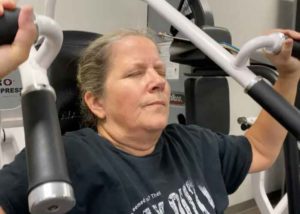
Weight-bearing exercise for strong bones
If disagreements persisted, the article was reassessed, and a third researcher (H.Y.) adjudicated unresolved disputes. Full texts of all potentially eligible studies were obtained. Articles that did not meet the selection criteria were excluded. Any discrepancies were resolved in consultation with a third reviewer. “This is to open up the hips, hamstrings, thoracic spine, and glutes,” Kelly says. This content is for informational and educational purposes only and does not constitute individualized advice.
Regular exercise enhances bone quality by promoting proper alignment of bone fibers and improving the distribution of minerals within the bone matrix. For women, menopause accelerates this process due to a drop in estrogen levels, which helps protect bones. For men, testosterone levels also decline with age, contributing to the loss of muscle and bone mass. This makes it increasingly important to take steps toward maintaining bone health. We conducted subgroup analyses on LS, FN, TH, and Troch bone density in postmenopausal women.
How many days a week should I be doing strength training?
Proper warm-up and cool-down routines can also help prevent injuries. Future studies should report motion parameters in more detail and supplement high-quality RCTs to enhance the robustness of the network structure. In addition, the exploration of individualized intervention strategies will help optimize the application of exercise intervention in clinical practice. The ranking of exercise types is determined based on the probability of P-score ranking. No substantial disparity is evident between treatments that intersect the y-axis and the control group. The variable “n” denotes the quantity of research that were directlyplaced in comparison to the control group.
Weight-bearing aerobic activities
When it comes to strength-training exercises, the resistance used does not have to be extremely heavy to elicit an effect. Resistance can be added to a movement through resistance bands, weight machines, or free weights, such as dumbbells. Some resistance exercises, like squats, don’t even need added weight to be considered strength training. For example, squats can be varied and more challenging by simply changing the pace (squat down for 3, stand up for 1). You need weight-bearing exercise and strength training for healthy bones, but that doesn’t mean you’ll always be using the heaviest weight you can.
Causes & Risk Factors
We performed sensitivity analyses not only on LS and FN, where heterogeneity was higher, but also on TH and Troch, where heterogeneity was relatively lower, to ensure the reliability and stability of the pooled estimates. Notably, the exclusion of the study by Eslamipour et al. [37]. Had a significant impact on the overall pooled effect size for LS, indicating that the results for this site may be less robust. Given these limitations, the findings of this meta-analysis should be interpreted as preliminary and should be validated by future high-quality clinical trials.
Bone density naturally peaks in our 20s and starts to decline by our 30s, and that decline is slow at first but accelerates as hormones shift. This section collects any data citations, data availability statements, or supplementary materials included in this article. Any movement that causes you to fight gravity by standing up and moving is good for your bones.
Stronger Bones, Stronger Body Video Workouts
- The Taiji group and the resistance group exhibited lumbar vertebra and hip BMD alterations, although these changes were not statistically significant when compared to the control group.
- “Good balance has two major components,” says Connolly, who’s a spry 74.
- If you’ve been told you have osteopenia or osteoporosis, it’s natural to feel cautious about movement—especially anything involving weights.
- Women experience a loss of bone mineral content, disruption of trabecular bone structure, and a decline in bone load-bearing capacity as a result of reduced hormone secretion during menopause, increasing the risk of fractures [2, 40, 41].
- Then, layer in resistance training at least two to three times per week.
- Gába et al.71 demonstrated that a 10-week walking intervention, conducted 5 times per week, did not have a significant impact on bone mineral density of the upper limbs and heels in PMW aged 50 and above.
Engaging in these activities increases heart rate, improves circulation, and enhances overall cardiovascular fitness. A healthy heart and circulatory system contribute to overall well-being and longevity. One of the primary benefits of weight-bearing exercises is the increase in bone density. When you engage in activities that exert force on your bones, such as running or lifting weights, your bones respond by increasing their density and strength.
What are the most important exercises I should be doing during strength training?
Do a set of eight to 12 lifts, then shift your weight to your right foot and repeat the motion with your left leg. If you’re interested in resistance training, be sure to discuss it with your doctor or physical therapist to ensure it’s a safe and appropriate choice for you. A personal trainer can help tailor a program to your individual needs and supervise you as you’re getting started. Due to the risk of injury, it’s important that you’re supervised by a professional, particularly when you first get started on a resistance training program. That’s especially true when it comes to impact and resistance.
Does strength training help you lose weight?
You’re working against some form of resistance to mad muscles app review stress a sequence of muscles and bones. Then, layer in resistance training at least two to three times per week. “Around 70% to 85% of your one-rep max for three to eight reps is a good range for bone stimulus,” she says, or about an 8 to 9 out of 10 effort level. If you’re newer to this style of training, start small and build up.
Exercise for Better Bones
Health organizations recommend adding 30 minutes of daily aerobic activity to your routine. This can include effective weight-bearing exercises like a brisk walk or run. Weight bearing exercises usually involve more repetitions and a longer duration. Activities such as running, brisk walking, basketball, and soccer are weight bearing.

How Much Weight Do You Need to Add to Strengthen Your Bones?
It has been noted [46] that different exercise intensities (high, medium, low) have varied effects on the bone density of postmenopausal women. High-intensity exercise has been shown to be more effective in stimulating lumbar spine bone density than low and moderate intensities, but it does not affect femoral neck bone density. Our results indicate that three exercise types significantly improved femoral neck BMD in PMW, with AE + RT being the best, followed by WBV and RT, significantly higher than the other exercise types.
Tom Connolly, a personal trainer at Oak Park Tennis and Fitness Centre in Illinois, explains that balance is about more than just strong legs. “Good balance has two major components,” says Connolly, who’s a spry 74. “One is how quickly the brain reacts when its proprioceptive inputs signal we are out of balance.